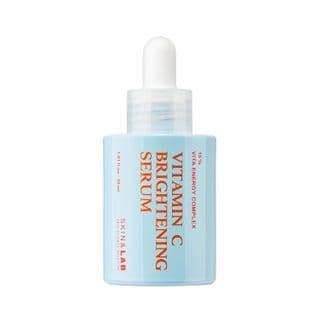
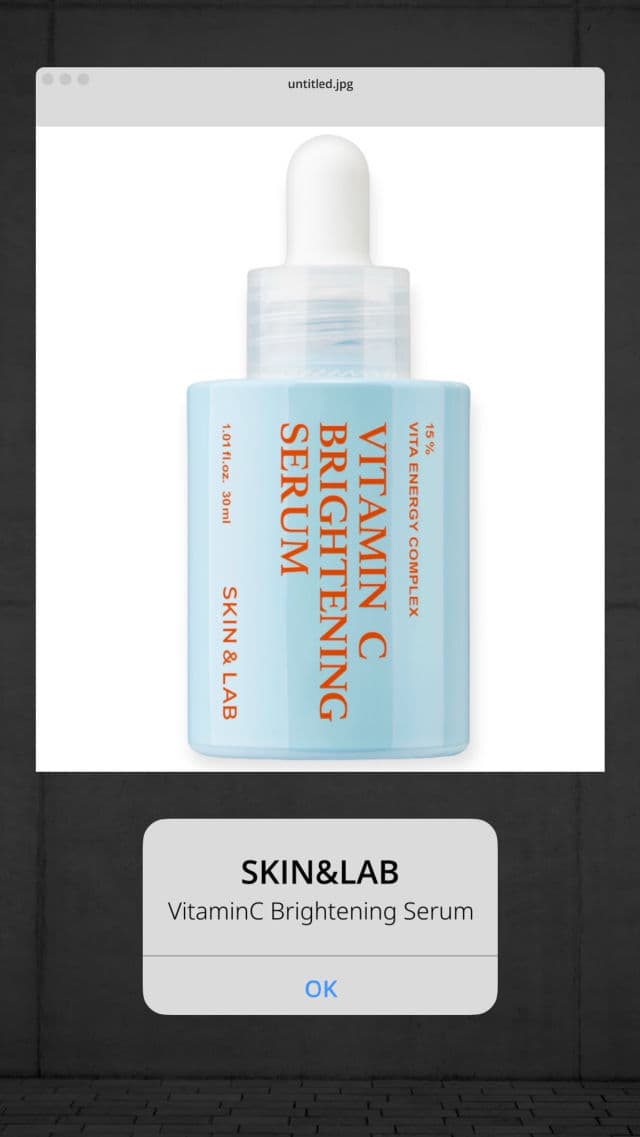
I hold mixed opinions about this product due to its combination of vitamin C and retinol.
This product features Vitamin B5 (panthenol) for moisture barrier support, and niacinamide for barrier support. Additionally, it contains hyaluronic acid for a dewy glow, collagen for anti-aging, Matrixyl 3000 for skin tightening, and 15 Vitamin Blends to replenish moisture levels. It addresses concerns such as acne, anti-aging, dry skin, brightening, sensitivity, oiliness, pore reduction, scar healing, dark spots, and improved texture.
𝐊𝐞𝐲 𝐢𝐧𝐠𝐫𝐞𝐝𝐢𝐞𝐧𝐭𝐬 includes Niacinamide (1.80% - 2.20%) for skin barrier support and acne reduction, Vitamin C (0.20% - 0.35%) for formulation stability, Retinoids (retinol 0.15% - 0.25%) to combat signs of aging, and Peptides (palmitoyl tetrapeptide-7 and palmitoyl tripeptide-1 at 0.25% - 0.45%) for potential anti-aging benefits. Adenosine (0.20% - 0.35%) reduces dynamic wrinkles, Panthenol (0.75% - 1.10%) enhances the skin barrier, and a variety of Humectants (ranging from fructose to glycerin) attract water to improve skin hydration.
𝐒𝐮𝐢𝐭𝐚𝐛𝐥𝐞 𝐟𝐨𝐫: All skin types and best for sensitive skin type.
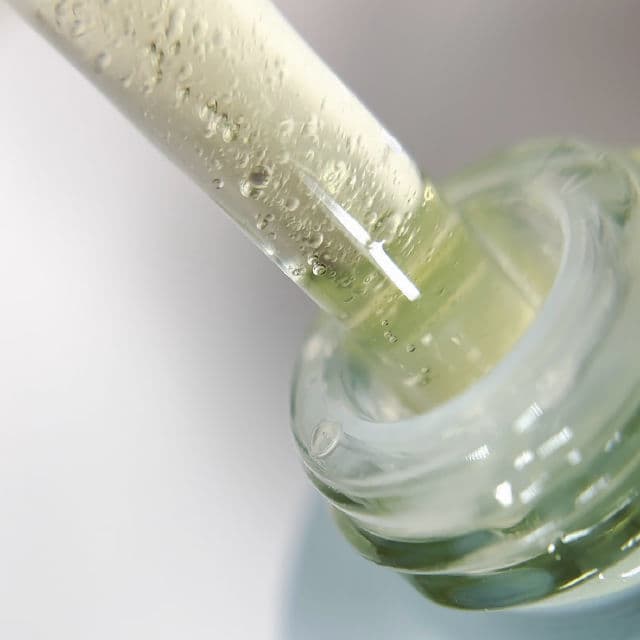
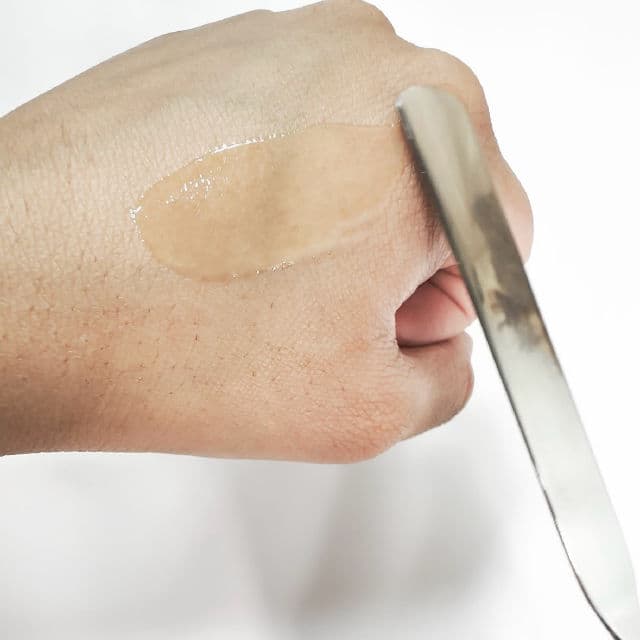
𝐓𝐞𝐱𝐭𝐮𝐫𝐞 - Slightly thick texture
𝐂𝐨𝐥𝐨𝐫 -Light yellow
- Absorbs quickly into the skin
- No sticky or greasy residue.
- Mild scent
𝐁𝐞𝐧𝐞𝐟𝐢𝐭𝐬:
- Anti-aging
- Evens skin tone
- Moisturizing
- Anti-blemish
- Anti-oxidation
🄽🄾🅃🄰🄱🄻🅈 𝐅𝐫𝐞𝐞 𝐟𝐫𝐨𝐦
• Alcohol | Paraben | Sulfate
• Mineral oil | Common allergens
• Cruelty
The product's representation of a 15% vita C complex on its label is deceptive, as it may lead consumers to believe it contains 15% vitamin C. However, the actual content is 15,000 parts per million (1.5%) of 3-0-Ethyl-AA, with the stated 15% indicating the composite percentage of various vitamins present in the formulation. This serum is predominantly an antioxidant formulation rather than a strictly Vitamin C serum, making it well-suited for Sensitive individuals who are begginers.
𝐌𝐲 𝐭𝐡𝐨𝐮𝐠𝐡𝐭𝐬: To me inclusion of retinol in a vitamin C serum raises concerns, as vitamin C is typically used in the morning, and retinol is recommended for nighttime use. The low concentration, might minimize potential sensitivity. However, its presence in a daytime serum seems contradictory, risking skin sensitivity to sunlight. To me this choice raises questions about the formulation's alignment with standard skincare practices and its overall effectiveness.I'd rather not use this serum.
This formulation choice prompts inquiries regarding its adherence to conventional skincare norms and, consequently, its comprehensive efficacy. The potential for synergistic or antagonistic interactions between vitamin C and retinol, particularly in the presence of sunlight, underscores the need for further scrutiny and evaluation to ascertain the product's appropriateness within established skincare regimens.