As someone with low-porosity hair (something I recently discovered and wish I had known earlier), I’ve become more selective in choosing products that suit my hair type. I realized that no matter how much product I applied, it didn’t really fix the slight frizz (perhaps unnoticeable to most but obvious to me) that refused to behave. Since switching to hair products specifically formulated for low-porosity hair, my hair has been looking healthier and better than ever.
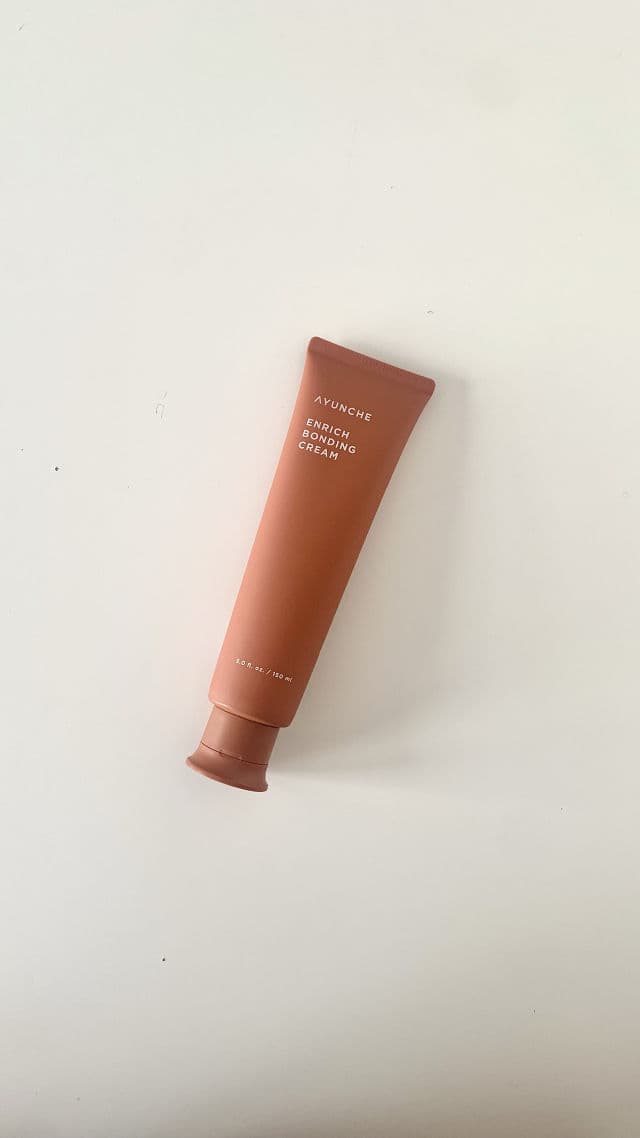
Naturally, I wanted to see if Ayunche’s Enrich Bonding Cream is suitable for low-porosity hair. (If you’re unsure about your hair porosity, you can try the water-in-a-cup test—there’s plenty of information available online—or scroll to the end of this review, where I’ll explain it!)
Based on my experience, Ayunche’s Enrich Bonding Cream works well for low-porosity hair in moderation for the following reasons:
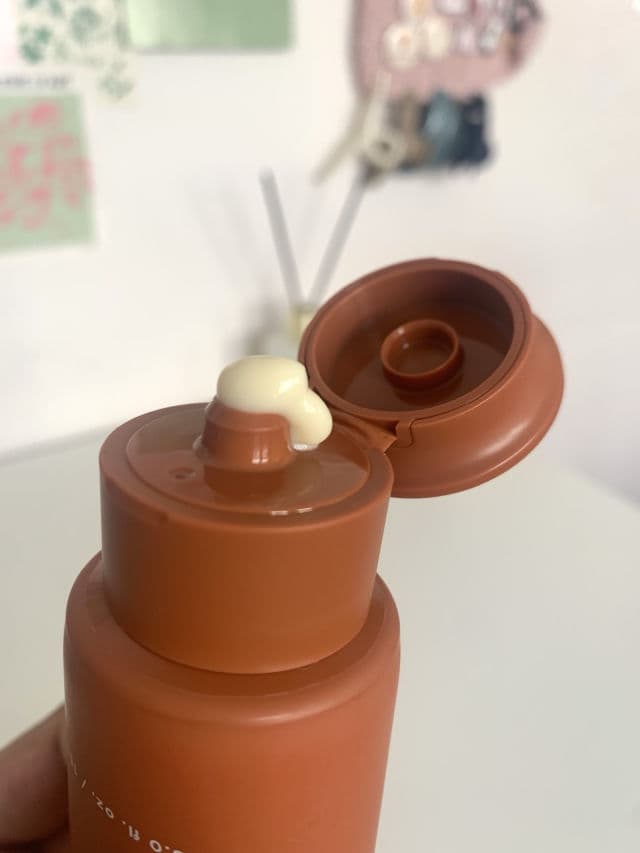
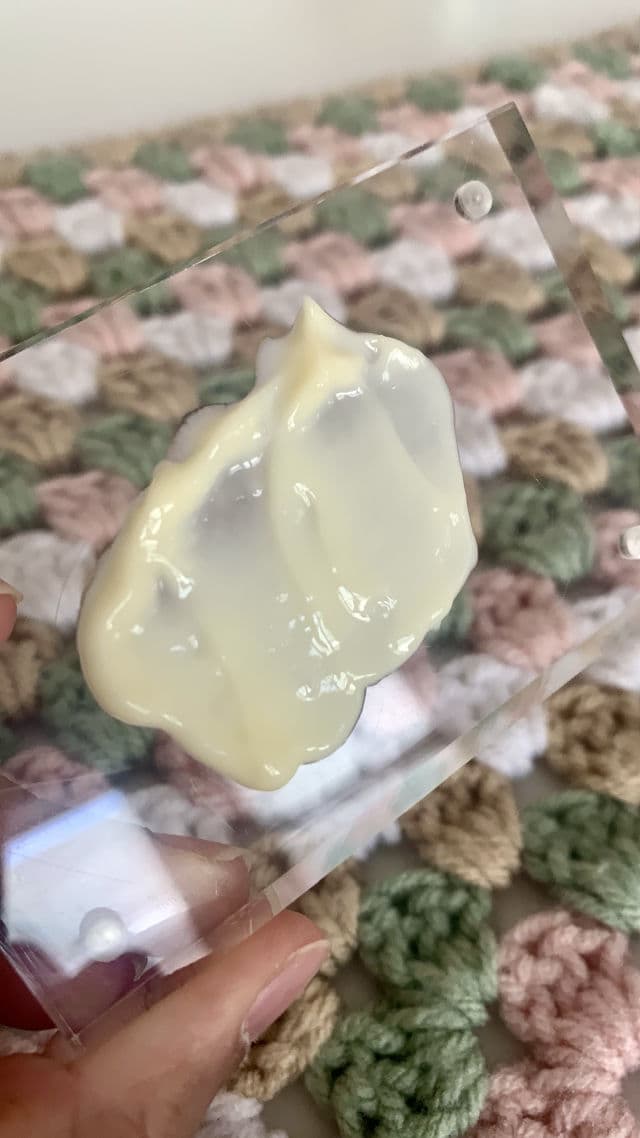
🍊 When I used this cream, my hair didn’t feel heavy at all! That’s usually a good sign that it doesn’t contain excessive protein or heavy oils, allowing my hair to absorb it without any issues. I also noticed a reduction in frizz, and my hair felt healthier with this bonding cream.
🍊 This contains Vitis Vinifera Seed Oil (grapeseed oil), which is a lightweight oil. Oils like jojoba, argan, avocado, almond, and grapeseed work best for low-porosity hair because they don’t weigh it down. Since low-porosity hair is prone to buildup, heavier oils can be problematic. Fortunately, this formulation primarily includes lightweight oils.
🍊 The formula also contains tocopherol, which helps prevent moisture loss and keeps the hair hydrated. Tocopherol is a lightweight molecule that won’t cause buildup and acts as an antioxidant to protect the hair.
🍊 This is an alcohol-free formulation, which is great because low-porosity hair has tightly packed cuticles, making it difficult for water and nutrients to penetrate. Alcohol can dry out the hair further, worsening moisture retention issues and leading to more frizz and brittleness.
🍊 The proteins in this product are suitable for low-porosity hair. Rather than direct proteins, it contains protein-related compounds that are beneficial:
* Arginine: Supports hair elasticity and strength.
* Biotin: A vitamin that improves hair structure without being a protein.
Overall, I’d rate this 4/5 because I liked how my hair looked and felt afterward.
1 - Fill a clear cup or glass with room-temperature water.
2 - Take a clean strand of hair (preferably not freshly washed) and place it in the water.
3 - Observe how the hair behaves:
- If the strand floats at the top for a few minutes, you most likely have low porosity. This means your hair's cuticles are tightly packed, making it harder for moisture to be absorbed.
- If the strand sinks slowly, you most likely have high porosity hair. The cuticles are more open, allowing moisture to be absorbed quickly, but it may also escape just as fast.
- If the strand sinks to the bottom fairly quickly, you most likely have normal or medium porosity. This hair type maintains a balanced ability to absorb and retain moisture.
❌ Use in moderation—this product contains glyceryl linoleate, a lipid-based ingredient that may sit on the hair. However, as long as you pair it with a clarifying shampoo, it shouldn’t be an issue for low-porosity hair.
❌ Contains dimethicones, which can lead to buildup on low-porosity hair. Regular clarifying is necessary. From my experience, the formulation didn’t weigh my hair down, so I assume they are using a type that washes out more easily. Again, to keep your low-porosity hair in top condition, use a clarifying shampoo regularly.