Fungal Acne! Have you experienced it before?
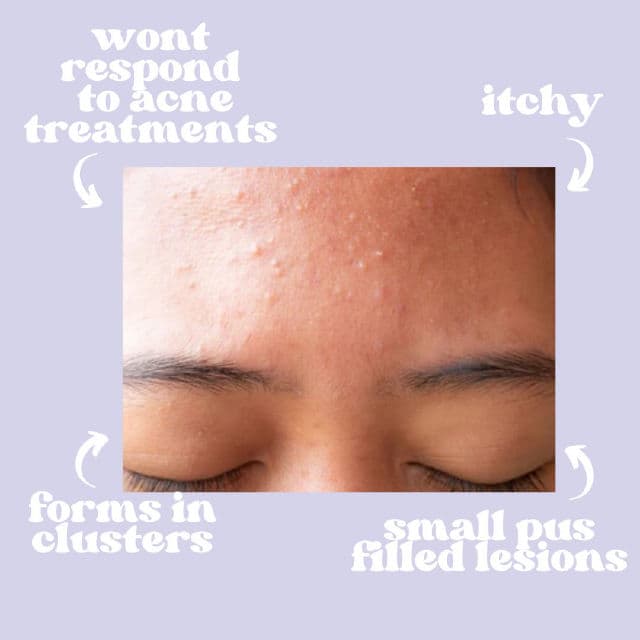
Fungal acne is caused by an overgrowth of yeast on the skin, specifically Malassezia. This leads to inflammation and small, itchy bumps that look similar to regular acne vulgaris
However, unlike traditional acne, fungal acne doesn't respond well to treatments like benzoyl peroxide and salicylic acid.
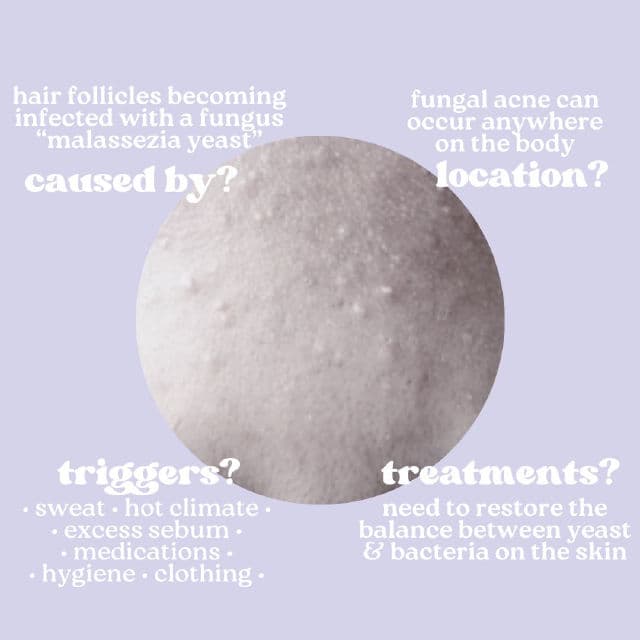
🔍 Caused by an overgrowth of yeast on the skin, usually defined by uniform pus filled clusters on the skin. Can be itchy and at times sting but generally not painful like acne vulgaris. Can appear anywhere on the body.
📍 Triggers include humidity, sweating, excess sebum, tight clothing, oily skincare products, lack of hygiene and some medications.
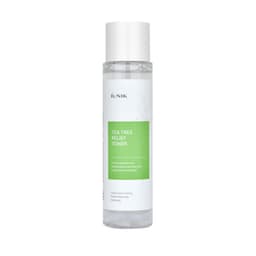
🧴 Treatments include: focus on restoring the balance of yeast and bacteria on the skin. This means using antifungal skincare products (ketoconazole, sulfur, tea tree oil), changes to skincare routine, lifestyle changes and sometimes oral antifungal medications.
Consult a dermatologist or your GP for personalized treatment.
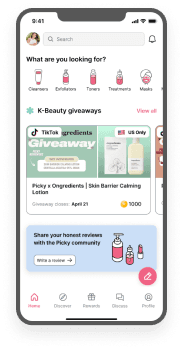
Pro tip: try using Picky or Skincarisma ingredients analyzer tools to better understand ingredients and whether they are fungal acne safe!
 237 Views